


In the tough field of solid-liquid separation, good performance comes from more than just big tools—it depends on the shape’s physics. For businesses using Sieve Bend (DSM) screens, picking a 45° or 60° arc makes a big difference in flow speed, particle capture, and upkeep expenses. Jingzhou, a top name in stainless steel wire R&D since 2009, supplies precise wedge wire parts that help these curved setups work at their best.
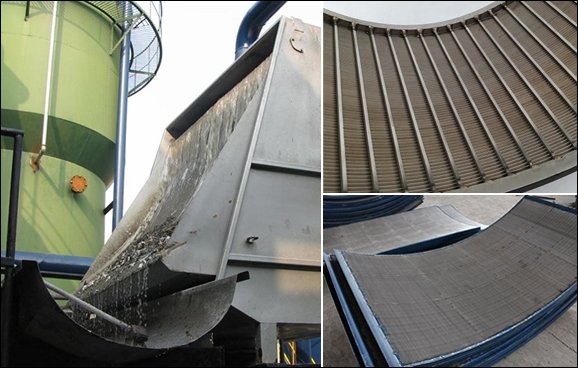
The Critical Choice: 45° vs. 60° DSM Screen Angles
The angle of a DSM screen sets how long the slurry touches the wedge wire surface. A bad choice can cause poor dewatering or extra space needs for gear.
45° DSM Screens: High-Velocity Throughput
People often pick the 45° curved screen for jobs that need quick handling of large slurry amounts.
- Best For: Basic dewatering to pull out most liquid fast.
- Advantage: It fits well into systems that rely on gravity.
- Flow Dynamics: This setup allows quicker side flow, which suits bigger particles that don’t need much time on the screen.
60° DSM Screens: Enhanced Residence Time for Finer Separation
The 60° arc gives material a longer path across the inward-curved surface.
- Best For: Grabbing fine particles and removing slime where accuracy matters most.
- Advantage: Longer contact helps the wedge wire edges strip away liquid better.
- Precision: It deals well with thick fluids or slurries full of tiny bits that require more area to split apart.
Why Jingzhou’s Wedge Wire Technology Outperforms
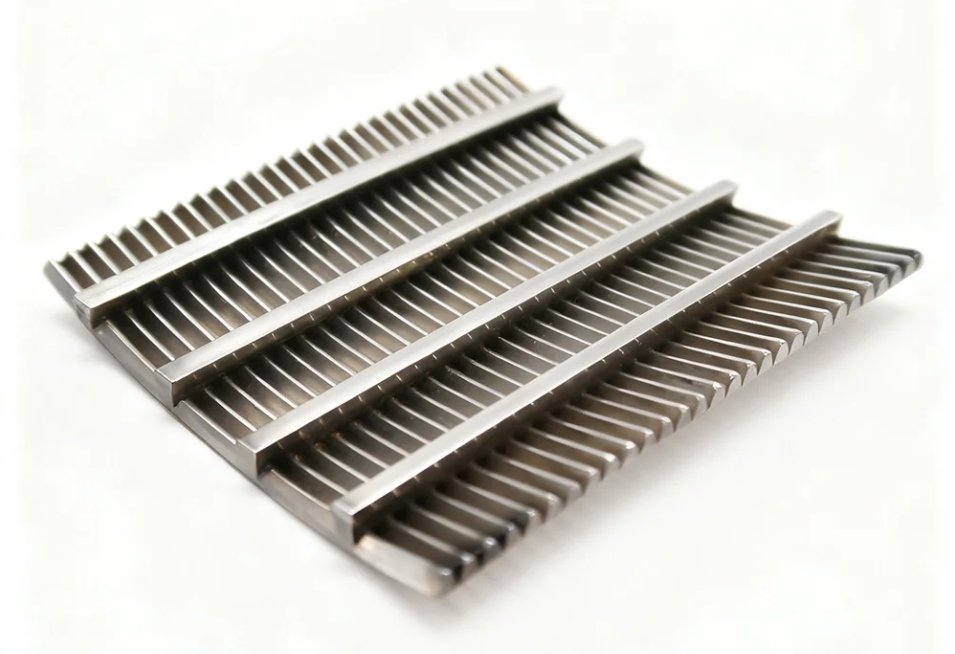
No matter the angle, the wire forms the core of the screen. Jingzhou focuses on V-shaped profile wires that fix common filtering problems.
Non-Clogging V-Shaped Precision
Our V-shaped stainless steel wires get welded to support rods. This creates slots that widen inside.
- Self-Cleaning: Small particles slip through without trouble, but slightly bigger ones won’t jam, which avoids expensive stops.
- Accuracy: With slot gaps as close as ±5μm, we keep steady sorting over the whole screen curve.
Superior Material Integrity and High-Tech Testing
Jingzhou uses modern testing tools to make sure each customized screen hits standards like ISO 9001.
- Durability: We pick SS304, SS316L, and Duplex alloys to stand up to rough mineral mixes and harsh chemicals.
- Quality Control: Every group gets optical measurement systems checks for size match and spectrometer tests for metal makeup.
Application Scenarios and Case Solutions
High-Volume Mineral Desliming and Dewatering
A processing site dealt with quick wear and uneven wetness in their recovery setup for coal slime.
- Problem: Regular flat screens blocked up, and the curved ones had weak wires that lost gap accuracy fast.
- Solution: Jingzhou supplied a customized 60° DSM screen plate with a tough 3×5 support rod setup.
- Result: The wider 60° curve boosted slime capture by 15%, and the strong stainless steel wedge wire made it last three times longer than before.
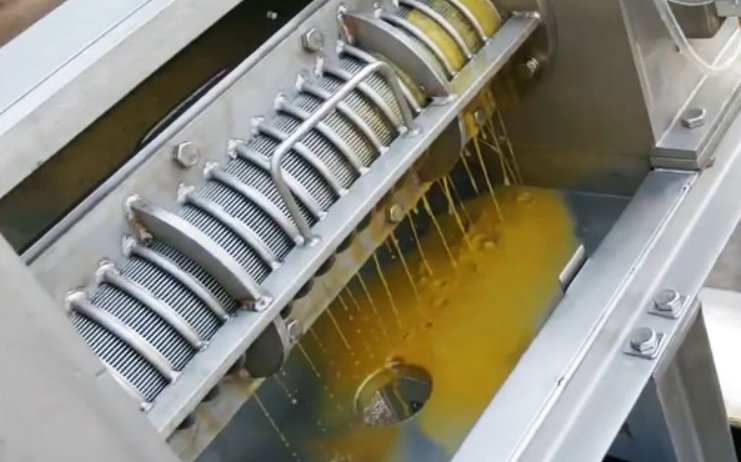
Precise Filtration in Starch and Juice Processing
A maker of juice had issues with pulp slipping through, which hurt product clarity and blocked valves later on.
- Problem: The 45° screens in place were not deep enough, so fine pulp jumped over gaps during strong pressure runs.
- Solution: We built a customized 120° Sieve Bend (using two 60° parts) with a very fine 0.15mm slot size.
- Result: This setup stripped juice from pulp well, leading to top clearness and less upkeep down the line.
Customized Engineering for Maximum ROI
At Jingzhou, we know each solid-liquid separation task differs. We provide full customized services to match your gear requirements.
- Flexible Dimensions: Widths up to 6000mm and lengths up to 6000mm to suit any DSM machine frame.
- Bespoke Attachments: customized “L”-shaped or standard frames for easy swap-in.
- Rapid Prototyping: A fresh product development takes just 7-15 days, keeping your growth or fix jobs on track.
Picking the proper DSM screen angle starts a path to better filtering profits. When you pair the right shape with Jingzhou’s top wedge wire, you stop blocks, cut power use, and make separation tools last longer.
Ready to optimize your separation efficiency? Reach us now for a customized tech talk and a strong solution made for your site.
- Email: jing@jingzhoumetal.com
- WhatsApp/Wechat: +8615320163118
FAQ
Q: Why do V-shaped wedge wires prevent clogging in curved screens?
A: The V-shape forms a slot that gets wider inside; after a particle goes past the top, it enters a bigger space, so it won’t stick.
Q: How does the screen angle affect the particle size cut-off point?
A: Usually, a curved screen splits particles at about half the real slot width because of the side flow over the curve.
Q: Which stainless steel grade is best for acidic wastewater filtration?
A: Grade 316L works well for its strong resistance to rust and low carbon, which stops corrosion between grains in rough settings.
Q: Can I replace a flat screen with a curved sieve bend in my existing system?
A: Yes, curved screens give much more capacity than flat ones in the same space, but they might need a gravity feed or pressured input.