


The Harsh Reality of Medical Sterilization
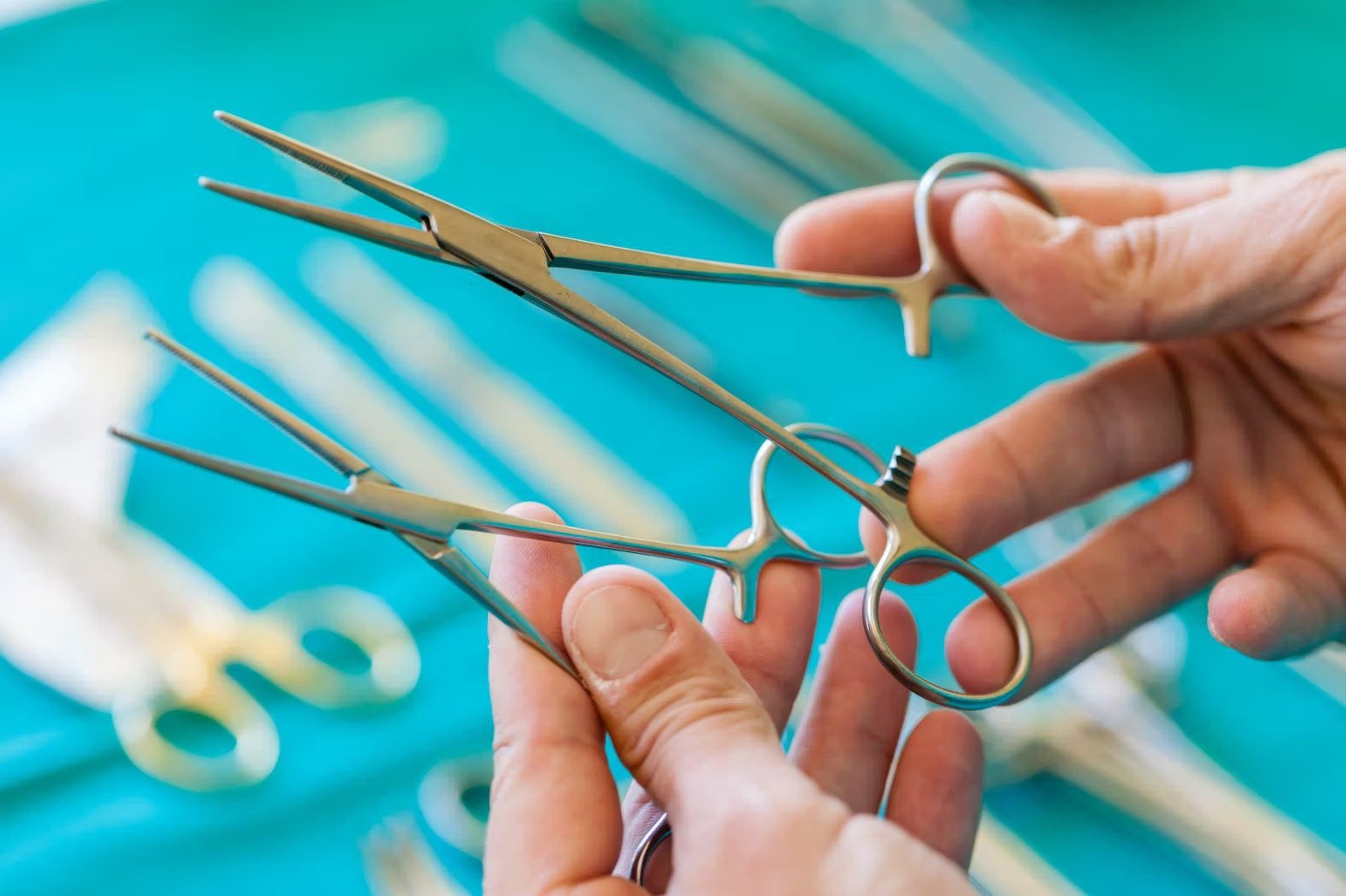
Surgical instruments such as forceps and scalpels go through daily cycles of autoclave sterilization, cleaning, and use. The material must handle these steps without issue. The right material supports safe procedures and lowers return risks.
Jingzhou, a stainless steel and specialty metal wire specialist since 2009, supplies materials suited to your needs.
The Core Threat: Why Repeated Autoclaving Ruins Inferior Wire
Autoclave sterilization uses saturated steam under pressure. Temperatures often reach 121°C to 134°C. This setup can harm metal over time. Lower-grade steel wire placed in production lines suffers when heat and moisture hit again and again. The result is faster breakdown of the material.
Pitting Corrosion and Surface Degradation
- Micro-gap Oxidation: Wires that vary in chemistry often miss a steady chromium oxide layer. Moisture then stays trapped inside.
- Early Rupture Risks: Tiny pits grow into visible rust after several steam cycles. This puts hygiene standards at risk.
Mechanical Fatigue and Micro-Deformation
- Internal Structural Stress: Standard raw materials carry uneven stress left from the drawing step. These spots expand at different rates when temperature changes fast.
- Loss of Grip and Clamping Force: Spring joints in forceps can shift slightly after many cycles. The tool may no longer line up as it should during surgery.
The Jingzhou Solution: Precision-Drawn Wire Engineered for Extremes
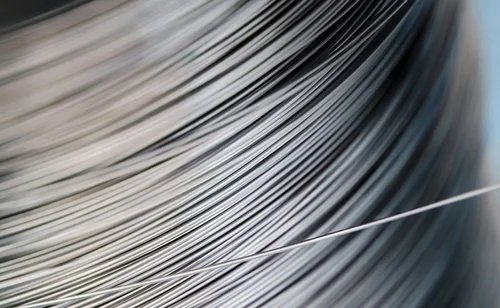
Jingzhou has been producing stainless steel wire since 2009 for its B2B customers. The company uses modern technology to ensure that there is minimal contamination on the surface and also that mechanical properties remain consistent.
Grade Selection: 316 and 316L Stainless Steel
- Lower Carbon Content: Jingzhou makes use of high-grade 316 and 316L steels. Such an approach decreases the possibility of carbides forming during welding operations and prevents metal allergy.
- Increased Molybdenum Content: Enhanced molybdenum content increases chloride pitting resistance. The outcome is in line with hospital requirements globally.
High-Precision Drawing within 0.01mm Dimensional Tolerance
- Advanced Projector Inspection: Every batch passes checks on 2D projectors and tensile machines. This keeps size and strength the same across lots.
- Ultra-Smooth Surface Finish: Rod breakdown followed by bright annealing removes small surface marks. Fewer spots remain where bacteria could gather.
Fully Customized Material Solutions for Device B2B Buyers
- Tailored Geometric Shapes: Jingzhou supplies custom profile wire in oval, flat, and triangular forms for medical parts.
- Flexible Specifications: Jingzhou offers custom stainless steel wires , delivering consistent ±0.01mm dimensional tolerances for fine wires ranging from 0.1mm to 1.0mm.
Where Precision Meets the Scalpel
Medical tools need different metal traits based on how each part works. Jingzhou adjusts the wire properties during production to match those needs.
Surgical Forceps and Hemostats
- Application Case: Clamping forceps need a strong spring-back to keep tension through hundreds of uses.
- The Solution: Precision-drawn wire supplies the right tensile strength and elastic limits. Tips stay aligned even after many sterilization runs.
Medical Scalpels and Guidewires
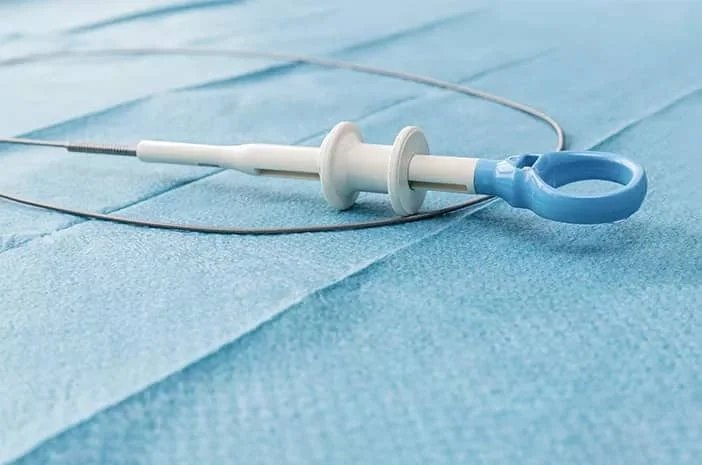
Case Study: Highly accurate guidewires must exhibit very high levels of straightness and uniform surface quality to facilitate smooth passage within complex anatomical structures while performing minimally invasive surgery.
The Answer: At Jingzhou, we provide wires that meet the strict requirements of medical instruments production, boasting excellent tensile strength and exceptionally tight dimensional tolerances.
Conclusion
Poor raw materials cause tools to fail early, bring bad feedback from surgeons, and raise costs for the maker. Working with a factory like Jingzhou gives direct access to consistent production, tested quality steps, and a steady supply.
Need high-quality medical wire or a steady supplier for custom surgical instrument wire? Reach the technical team at Jingzhou by email at jing@jingzhoumetal.com or by WhatsApp/Wechat at +8615320163118. Ask for free technical samples and volume pricing.
FAQ
Q: Why does medical-grade stainless steel wire require a strict 0.01mm dimensional tolerance for surgical tool manufacturing?
A: CNC lines and robotic feeds run fast. A small shift in wire diameter can jam the feed. It may also cause uneven welds. Parts then sit out of line in tools like forceps.
Q: How does the carbon content in 316L stainless steel affect the service life of tools subjected to high-temperature steam autoclaves?
A: Carbon stays below 0.03 percent. This blocks chromium carbide at grain edges during heat cycles. The wire stays stable. It resists corrosion after many autoclave runs.
Q: Can medical device manufacturers order raw steel wire profiles with unique, non-standard cross-sections?
A: Yes. Custom shapes cut waste and reduce extra milling steps on parts with special grips or tips.
Q: What surface treatment should an industrial wire manufacturer apply to prevent micro-contamination on surgical instruments?
A: Our proprietary two-draw two-anneal process combined with high-purity hydrogen bright annealing and ultrasonic cleaning eliminates internal stress and surface contaminants. This creates a defect-free, smooth finish that forms a stable corrosion-resistant layer, simplifying subsequent for surgical instrument manufacturers.