


In the demanding field of medical device production, room for mistakes is zero. No matter if it involves a vital implant or an exact surgical instrument, the base material—the metal wire—sets the device’s final safety and performance.
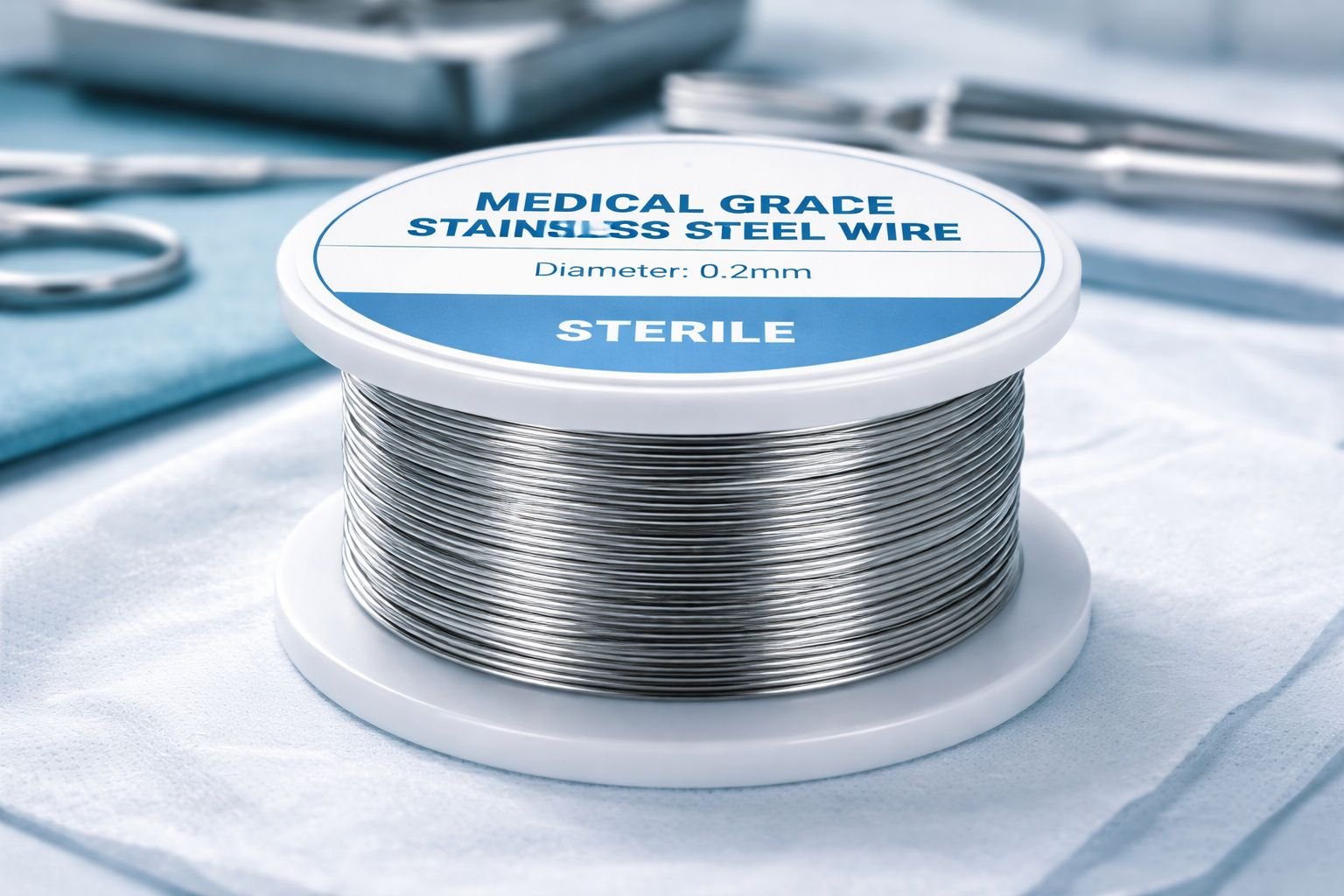
As a top maker focused on research and development, Jingzhou focuses on delivering strong stainless steel and titanium wires built to surpass tough medical quality rules. Our lineup, which covers very thin round wires and detailed customized profile wires, gives great resistance to rust, fine compatibility with the body, and the exact strength features needed for advanced medical tools.
The Critical Role of Material Integrity in Medical Device Manufacturing
Picking a supplier for medical wire goes beyond just choosing a seller. It centers on protecting patients. At Jingzhou, we know that materials such as SS316L and Titanium (TA1/TA2/TC4) serve as key standards in the field for good reasons.
Beyond Standard Specs: Why 316L and Titanium Grades Matter
Medical-grade 316L stainless steel is chosen for its reduced carbon levels, which cut down risks of metal reactions and grain boundary rust after joining. For tougher settings, our titanium wires bring a top strength-to-weight balance. These materials prove vital for devices that need to handle the body’s salty conditions without breaking down. Our in-house checks make sure each group of Jingzhou wire keeps a smooth, flaw-free surface, which lowers the chances of germ attachment.
Precision-Engineered Solutions for Complex Applications
Plenty of producers deal with problems like material wear or uneven flexibility, and these can cause failures in items such as dental supports or surgical clips. Jingzhou tackles these through improved heat processes and cold-pulling methods.
Case Study: Solving Fatigue Failure in Orthopedic Implants
One client who makes orthopedic bone pins had trouble with the wire breaking under strong twisting during placement. By supplying a customized high-strength 316L wire with a set stretch pattern, Jingzhou assisted the client in boosting the pin’s build reliability by 30%. This approach made sure the implants could manage body stresses without risks of stress-related rust cracking.
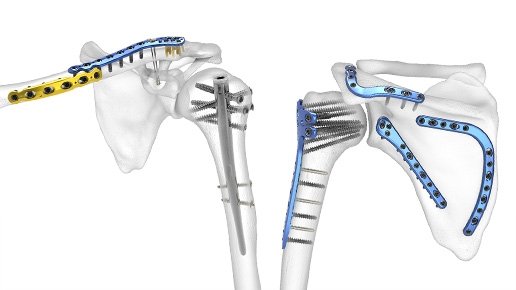
Application: Enhancing Precision for Microsurgical Instruments
For those building scalpels, grippers, and sampling needles, keeping edges sharp and maintaining stiffness matters a lot. Jingzhou offers thin wires with diameter limits as close as +/-0.01mm. Such tight control supports the smooth putting together of robotic surgery parts, and it helps make each tool movement steady and secure for the doctor.
Customized Excellence: Tailoring Wire Properties to Your Innovation
Basic, ready-made wire seldom fits the demands of new medical ideas. This area is where Jingzhou shines as a business-to-business ally.
Flexible Production for Unique Cross-Sections and Hardness Levels
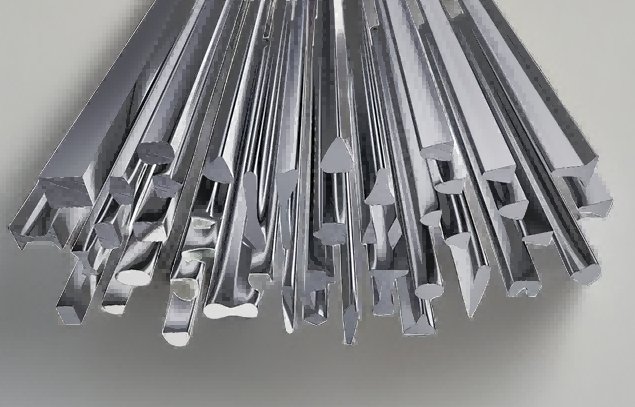
We see that each medical use comes with its own needs. We provide customized options that let you set the precise firmness, pull strength, and outer layer of your wire. If you want a three-sided wire for a certain dental device or an H-form for a testing structure, our research team partners with you to build a customized sample. Our ISO 9001-approved plant handles both big runs and small groups of customized orders, achieving a full pass rate before sending.
Conclusion: Partner with Jingzhou for Reliable Medical-Grade Wire
From surgical clips to detailed blood vessel supports, your wire’s quality reflects your brand’s quality. Jingzhou commits to supplying the medical field with the best levels of stainless steel and titanium wire options. With our solid supply network, accurate testing tools, and focused, customized research skills, we aid you in changing bold plans into devices that save lives.
Contact Jingzhou today to request a quote or a customized sample for your next project. Let’s create medical brilliance together.
Email: jing@jingzhoumetal.com
WhatsApp: +8615320163118
Website: www.jingzhoumetal.com
FAQ
Q: Why is 316L preferred over 304 stainless steel for medical implants?
A: 316L includes molybdenum and holds less carbon, offering much better defense against pitting and salt-based rust in the body’s fluid setting, while 304 might weaken over time.
Q: Can Jingzhou provide customized wire with specific mechanical properties for robotic surgery?
A: Yes. We give customized changes to pull strength and bounce through careful cold work and heating to match the repeated stress needs of robotic surgical tools.
Q: What are the typical diameter tolerances for medical-grade fine wire?
A: For medical uses that need high accuracy, like tubes or needles, we keep a standard limit of +/-0.01mm (0.0004 inches) to support a smooth fit with machine assembly lines.
Q: How does titanium wire compare to stainless steel in orthopedic applications?
A: Titanium weighs less and has a flexibility closer to human bone, which cuts down “stress shielding.” It also brings better body compatibility, though stainless steel stays more budget-friendly for many outside tools.