


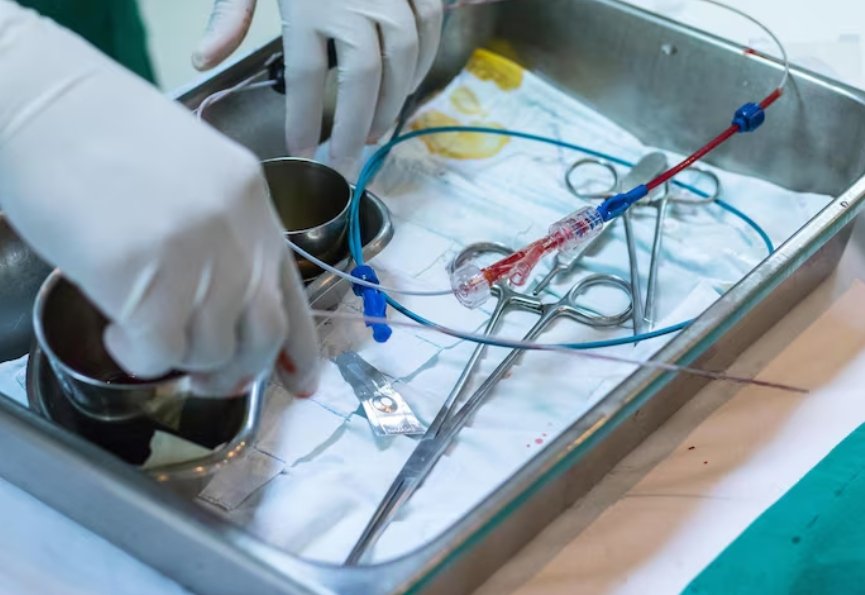
The medical field keeps moving toward smaller tools. Surgeons now carry out critical procedures through tiny openings barely wider than a needle tip. At the center of this change sits the diagnostic catheter. It must be extremely slender to travel through the body’s narrowest channels, yet sturdy enough to carry out accurate work. As a dedicated B2B supplier, Jingzhou recognizes that in medical device miniaturization, the tiniest parts often bear the heaviest duties.
The Era of Minimally Invasive Precision: Why Small Matters
The push for smaller devices comes from a clear aim: better results for patients. Thinner catheters cause less tissue damage, shorten healing periods, and let doctors reach deep areas such as the brain’s fine blood vessels that were once hard to access. Shrinking the overall size puts serious demands on every component. Designers need medical-grade wire that combines high tensile strength with good flexibility. Jingzhou meets this need by carefully producing ultra-fine wires. These wires form the essential framework for the latest catheter designs.
Navigating the Challenges of Catheter Miniaturization
Strength vs. Size: The Mechanical Paradox
Device engineers frequently struggle to keep good pushability and torque response when diameters drop to 0.03 mm. At that scale, a wire can lose the firmness needed to thread through winding anatomy. Jingzhou addresses this issue with refined cold drawing and hydrogen retreatment steps. Those processes improve the wire’s mechanical behavior. The result is a product that stays resistant to kinking even at very small dimensions.
Biocompatibility and Surface Integrity
Safety for the patient comes first. Some older alloys may cause irritation or increase drag during insertion. Jingzhou uses 316L stainless steel and Titanium instead. Both materials show strong biocompatibility and resist corrosion well. In addition, the company applies a bright surface finish. That treatment lowers friction so the wire slides smoothly inside the catheter sheath.
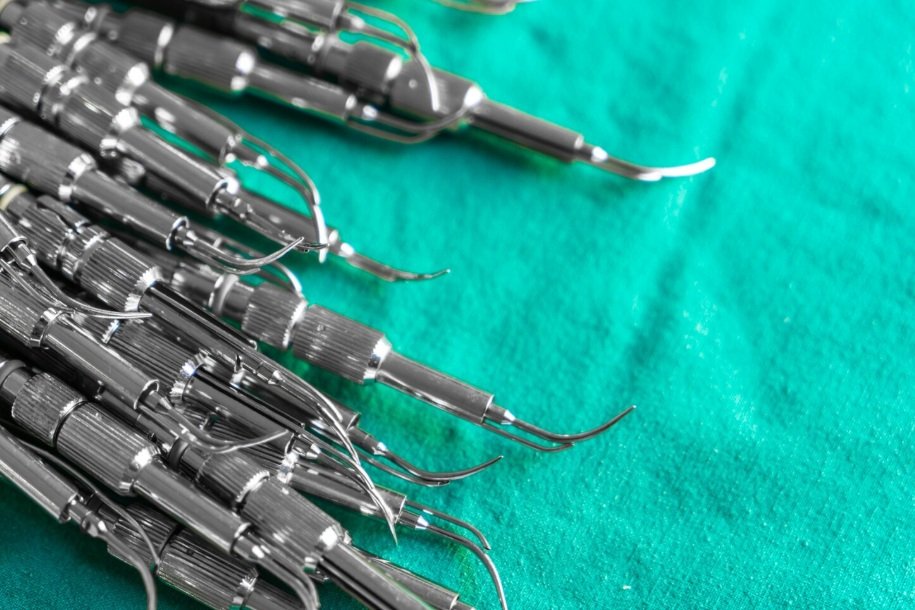
Jingzhou’s Solution: High-Performance Ultra-Fine Wires
Technical Specifications and Material Excellence
Jingzhou supplies a range of wires developed for medical use. The main technical details appear below.
| Feature | Specification | Advantage |
| Material Grades | 316L, 321, Titanium (TA1/TA2) | High corrosion resistance & biocompatibility |
| Diameter Range | 0.03mm – 13mm | Ideal for ultra-thin diagnostic catheters |
| Tolerances | Down to +/-0.01mm | Ensures high-precision assembly |
| Surface Finish | Bright, Plain, or Dull | Customized to meet specific lubrication needs |
Customized Solutions for Complex Geometries
Medical devices differ from one project to the next. Standard items seldom fit advanced research requirements. Jingzhou, therefore, provides complete customization. Whether the need is an irregular-shaped wire for a steerable catheter tip or a specific tensile strength for a biopsy needle, the R&D team can produce a new item in 7–15 days. Every product follows the customer’s exact drawings and material specifications.
Application Spotlight: Diagnostic and Interventional Excellence
In real use, these wires do more than reinforce basic tubes.
- Diagnostic Equipment: Biopsy needles and catheter reinforcement braids depend on Jingzhou’s high-tensile round wire for consistent performance.
- Steerable Catheters: Customized flat and shaped wires enable the precise mechanical control needed to guide a catheter through complicated heart valves.
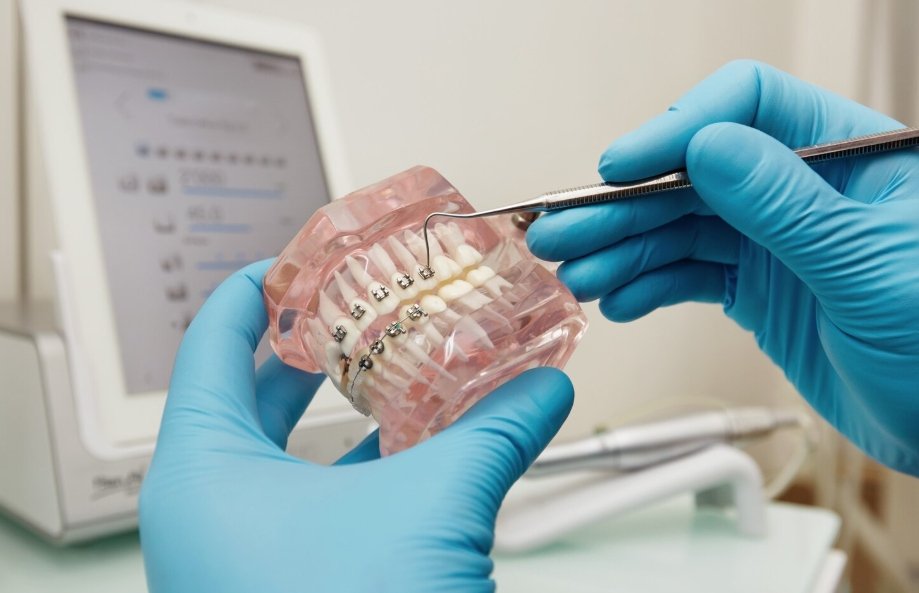
- Orthodontics and Implants: Titanium wire serves as a reliable choice in dental tools and orthopedic pins because it poses no toxicity risk.
Why Partner with Jingzhou for Medical Device R&D
Since 2009, Jingzhou has run three modern production facilities dedicated to high-technology metal wire. Quality checks rely on infrared detectors and 2D measuring projectors to confirm full compliance with ISO 9001 standards. The company supplies more than raw materials. It delivers the technical base that supports new medical advances.
Ready to miniaturize your next medical breakthrough? Contact Jingzhou today to discuss your project. Our engineers stand prepared to supply customized samples and technical guidance so you can stay ahead in the market.
Contact Us:
- Email: jing@jingzhoumetal.com
- WhatsApp/Mobile: +86 15320163118
FAQ
Q: Can you provide medical-grade stainless steel with very tight tolerances?
A: Yes. We produce wires with diameter tolerances down to +/-0.01mm. That level supports precise medical assembly work.
Q: Do you offer customized wire shapes for specific catheter designs?
A: Yes. We specialize in shaped wires—flat, square, and complex profiles—made to match your drawings exactly.
Q: What is your typical R&D cycle for a new customized wire product?
A: The usual development cycle for a new customized wire runs 7–15 days. That timeframe allows fast progress in medical device projects.
Q: Are your materials compliant with international medical standards?
A: We work with proven grades such as 316L and Titanium and follow ISO 9001 quality management systems throughout production.