


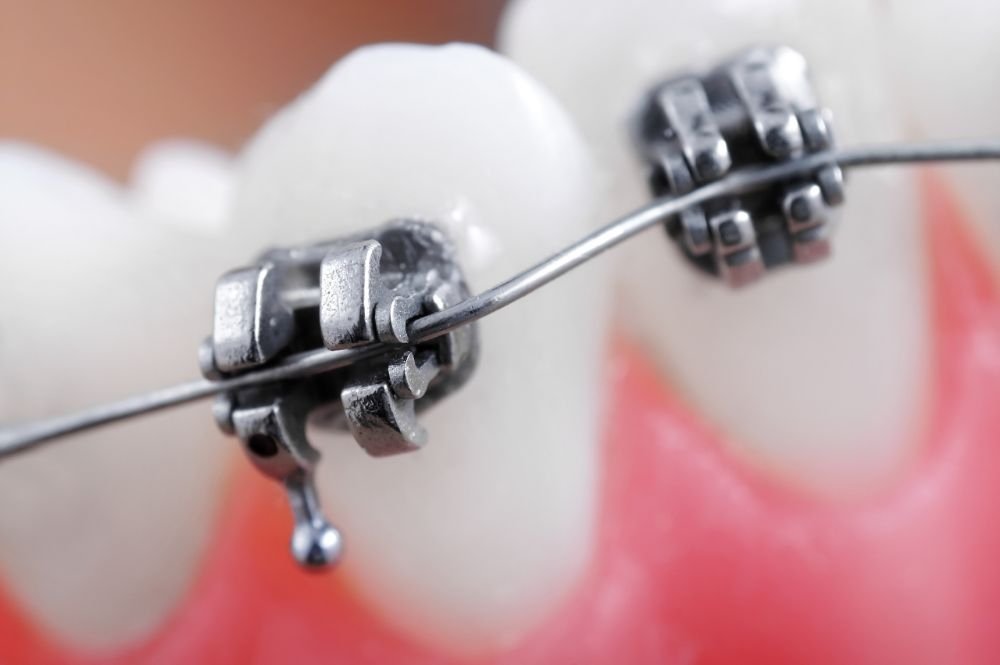
Clinical orthodontics depends on the archwire to push teeth into place. Dentists and suppliers of medical gear often struggle to find that sweet spot. There, a wire bends just right to hook uneven teeth, yet stays tough to keep steady pressure. This balance creates a real design puzzle. Jingzhou fills this need with smart metal work and strict size checks.
The Critical Balance: Why Flexibility and Strength Matter
Controlled force drives orthodontic work. Without enough give, a wire might spark sharp aches or harm roots. Without enough grit, though, the process slows as the wire warps for good.
Overcoming Force Decay in Clinical Orthodontics
Force fade hits hard in orthodontics. Old-style wires soon lose their snap-back once placed. Jingzhou fixes this through:
- Our orthodontic archwires utilize premium high-elasticity titanium wire and 316L stainless steel, engineered to maintain uniform force delivery over prolonged periods while offering superior corrosion resistance and biocompatibility.
- With fully automated production lines across all stages in Jinzhou, our archwires offer consistent material performance and exceptional durability. They cut repeated replacements, boost treatment efficiency, and shorten overall treatment cycles.
Fracture Resistance: The Role of Material Integrity
Quick wire breaks throw off dental offices big time. We target this in our builds by:
- Uniform Internal Structure: Through specialized cold-drawing processes, we eliminate internal micro-cracks that lead to stress fractures.
- Surface Smoothness: A polished, low-friction surface that prevents “notching,” a common cause of mechanical failure in posterior segments.
Jingzhou’s Material Innovation: Engineered for Precision
As a top orthodontic wire manufacturer, Jingzhou calls on almost 20 years of hands-on skill. We supply stainless steel wires that hits ISO 9001 rules and medical quality bars.
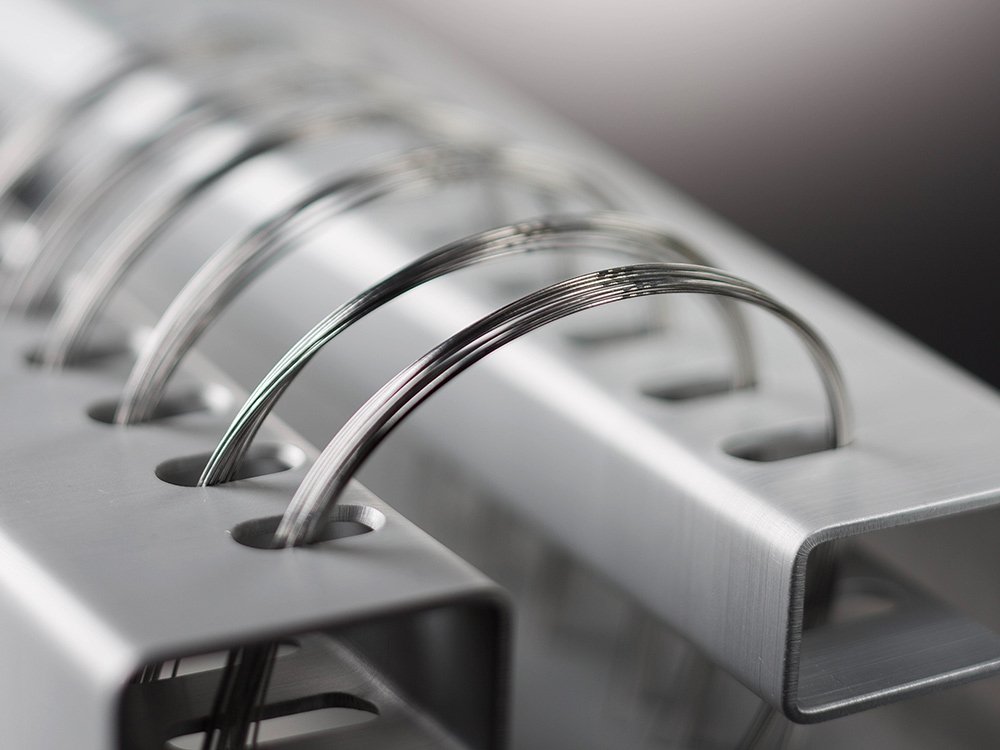
High-Tension Stainless Steel & Titanium Solutions
Our lineup covers a range of solid picks:
- Medical Stainless Steel (304/316L): Known for its high stiffness and excellent corrosion resistance, ideal for the finishing stages of treatment.
- Titanium Wires: For early-stage alignment, our titanium wires offer superior shape memory and biocompatibility, ensuring they do not trigger metal allergies.
- Bright Surface Finish: All our wires undergo a specialized brightening process to reduce plaque accumulation and improve hygiene.
Ultra-Precise Tolerances: The Jingzhou Advantage
A 0.05mm slip in orthodontics can shift things from spot-on fit to wobbly bracket grip.
- Precision Control: We maintain a standard dimension tolerance of +/-0.01mm, ensuring seamless integration with standard bracket systems.
- Consistency: Every batch of Jingzhou wire undergoes rigorous tensile testing to guarantee that the mechanical properties are identical from the first foot to the last.
Customized Solutions for Complex Dental Applications
A catch-all method falls short in current medical practice. For that reason, customized help sits central to our work.
Specialized Profile Wires and Multi-Strand Designs
We go further than plain round wires. Our customized shapes handle set twist demands:
- Rectangular & Square Profiles: Precision-rolled to provide maximum torque control in the final phase of alignment.
- Customized Multi-strand Wires: Engineered for extreme flexibility in severely crowded cases.
- Tailored Packaging: Options for wooden or steel reels, or pre-cut lengths to fit your automated production lines.
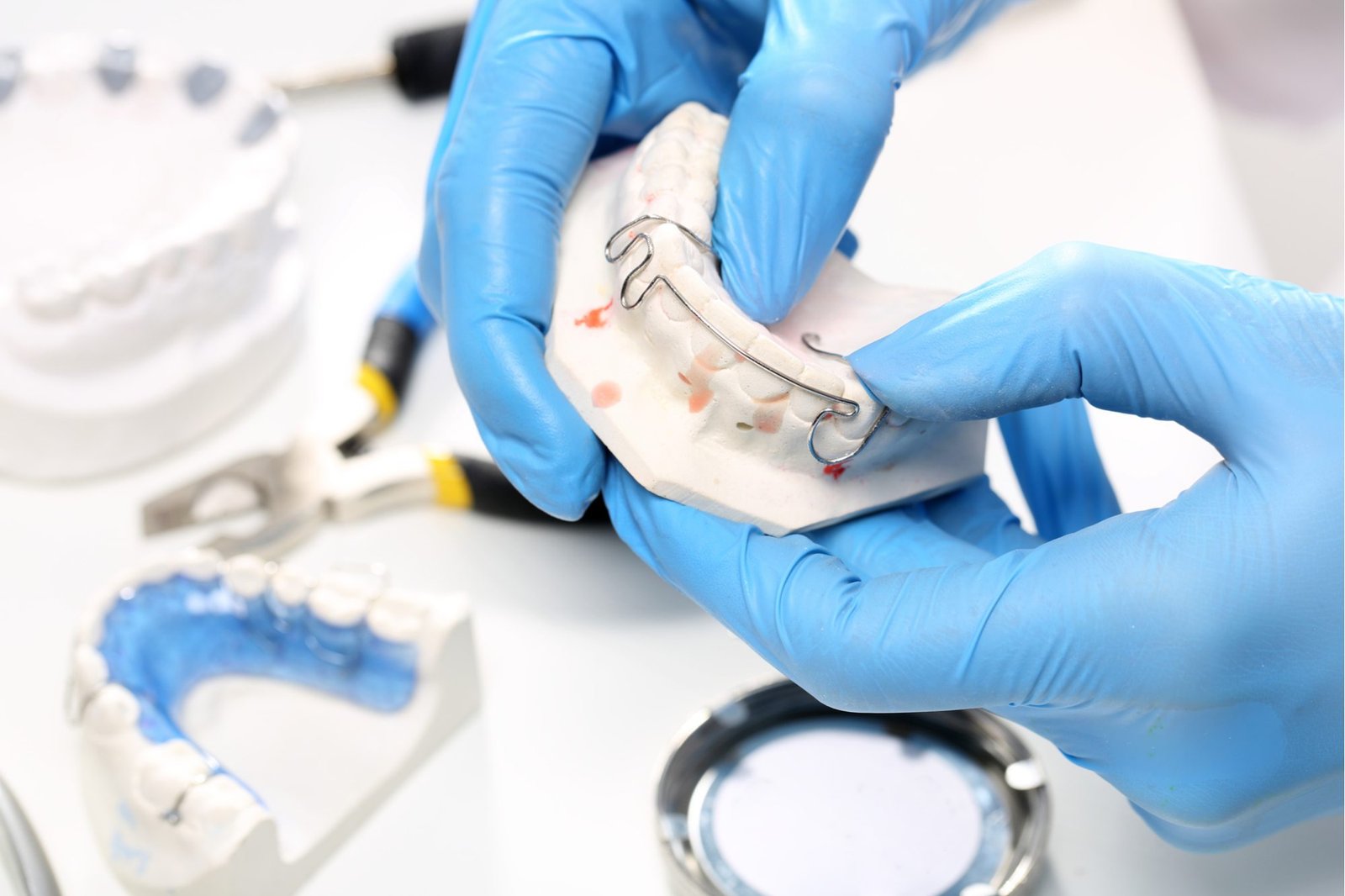
Enhancing Patient Comfort and Treatment Speed
One area supplier saw lots of returns. Wires there lost form in under two weeks. Jingzhou supplied a customized high-yield strength 316L wire fix. It cut patient seat time by 30%. Plus, the supplier’s market spot grew thanks to better wire trust.
Conclusion
Selecting the best wire means more than picking a base. It involves picking a build teammate. Jingzhou supplies the high-performance stainless steel and titanium solutions needed to solve the most demanding orthodontic challenges.
Ready to upgrade your medical wire supply chain?
Contact Jingzhou today for a customized quote and technical consultation. Let’s build a more precise future together.
- Email: jing@jingzhoumetal.com
- WhatsApp: +8615320163118
FAQ
Q: Why is the spring-back property so critical in orthodontic wire selection?
A: Spring-back sets the wire’s power to snap back to its starting form once bent. This trait delivers a steady, gentle push. In turn, it supports smooth tooth shifts and eases patient strain during brace wear.
Q: What are the advantages of using 316L over 304 stainless steel for dental archwires?
A: The 316L grade includes molybdenum. That addition boosts its guard against spot rust in the mouth’s salty setting. As a result, it holds up better over months of daily use in dental care.
Q: How do tight diameter tolerances affect the orthodontic treatment process?
A: Close specs, such as Jingzhou’s +/-0.01mm, make the wire slide right into the bracket groove. Such a match lets the bracket’s design work fully. It cuts down on stray tilts or spins in teeth alignment.
Q: Can orthodontic wires be customized for specific mechanical properties?
A: Yes. Makers tweak the mix of pull strength and bend ease via targeted heat steps and shape work. These changes fit the needs of early or late stages in patient treatment plans.